Understanding Functional Communication Training
Functional Communication Training (FCT) is a transformative approach within the realm of Applied Behavior Analysis (ABA) that aims to enhance the communication skills of children with autism. By teaching children to express their needs and wants through more appropriate and functional means, FCT can significantly reduce challenging behaviors. This method has gained considerable recognition as an effective intervention in autism therapy, especially in places like Burlington, where a growing number of service providers embrace its principles. When exploring options, Functional communication training Burlington offers comprehensive insights tailored to local families.
What is Functional Communication Training?
Functional Communication Training focuses on replacing challenging behaviors—such as tantrums or aggression—with functional communication methods. This intervention is rooted in the understanding that many behaviors seen in children with autism stem from an inability to communicate effectively. By targeting these specific behaviors and teaching the child alternative communication strategies, FCT empowers children to express their desires and emotions in a socially acceptable manner.
The Importance of Communication Skills
Communication is a fundamental skill that influences every aspect of life, from personal relationships to academic success. For children with autism, who may struggle with traditional forms of communication, developing functional communication skills is crucial. Effective communication not only enhances their ability to express needs but also fosters social interactions and emotional regulation, paving the way for improved relationships with peers and adults alike.
Benefits for Children with Autism
- Reduction in Challenging Behaviors: FCT helps children replace maladaptive behaviors with functional communication, leading to fewer incidents of frustration and aggression.
- Increased Independence: As children learn to communicate their needs effectively, they become more self-reliant, which is vital for personal growth.
- Improved Social Interactions: Enhanced communication skills facilitate better interactions with peers, thus enriching social experiences.
- Boosted Academic Success: Communication is essential in educational settings, and improving these skills can contribute positively to academic outcomes.
Core Elements of Effective Communication Training
Key Techniques Used in Functional Communication Training
The success of FCT lies in its systematic approach to teaching. Several key techniques are employed, including:
- Modeling: Therapists demonstrate functional communication in various contexts to provide examples for the child.
- Reinforcement: Positive reinforcement is used to encourage the use of functional communication, thus making the new behavior more likely to recur.
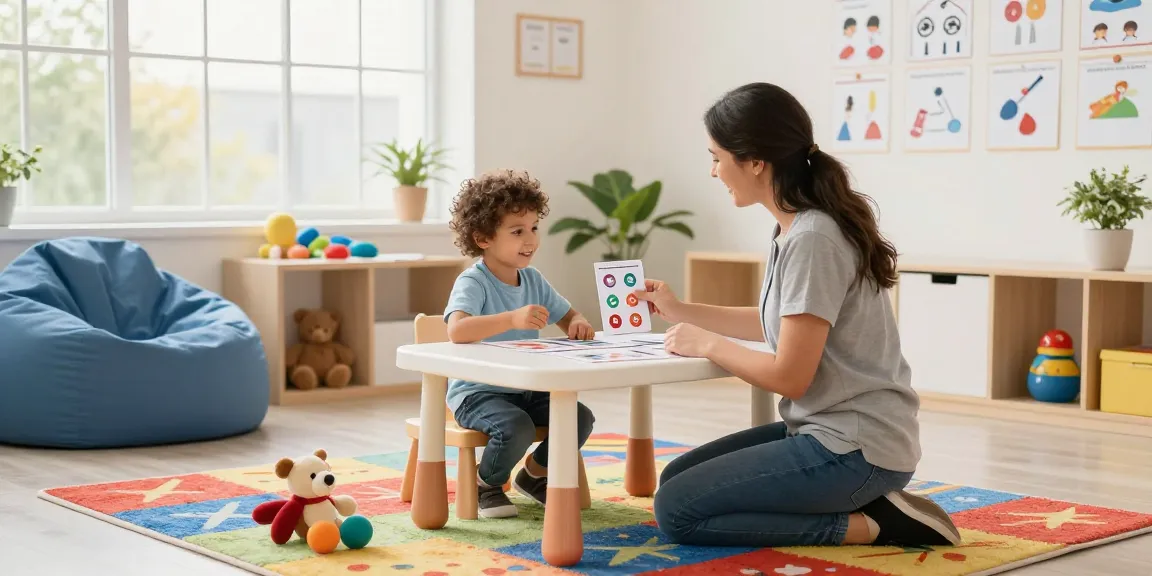
- Visual Supports: Tools like picture exchange communication systems (PECS) can aid children in expressing their needs visually.
- Generalization: Strategies are implemented to ensure that communication skills learned in therapy are used in real-world situations outside the therapy environment.
Individualized Approach to Therapy
Every child is unique, and FCT recognizes the importance of tailoring interventions to the individual needs of each child. Individualized Education Plans (IEPs) are often developed to outline specific goals and methodologies suited to the child’s capabilities and challenges. By focusing on personal strengths and preferences, FCT increases the likelihood of success and engagement in therapy.
Measuring Progress and Success
To determine the effectiveness of FCT, it is essential to have clear metrics in place. This can include tracking the frequency of challenging behaviors, the use of functional communication strategies, and the child’s overall engagement in social and academic settings. By regularly assessing these indicators, therapists can adjust the intervention as necessary to ensure continued progress.
Implementing Functional Communication Training at Home
Strategies for Parents and Caregivers
Supporting your child’s development of functional communication skills at home is vital. Parents and caregivers can implement several strategies, including:
- Consistent Communication: Use clear and consistent language when communicating with your child, and encourage them to express themselves using functional means.
- Encouragement of Independence: Promote opportunities for your child to ask for help or communicate their needs without assistance.
- Integration of Visual Supports: Utilize tools like visual schedules or PECS to facilitate communication in daily activities.
Creating a Supportive Learning Environment
A supportive environment plays a crucial role in effective communication training. This can be achieved by:
- Minimizing Distractions: Create a calm, focused space during at-home communication practice to enhance learning.
- Positive Reinforcement: Celebrate successes, no matter how small, to build confidence in your child’s communication ability.
- Regular Practice: Incorporate communication practice into everyday activities, making it a natural part of your routine.
Encouraging Consistency Across Settings
For functional communication skills to generalize effectively, it’s crucial to maintain consistency across different environments. Collaborate with teachers, therapists, and caregivers to ensure that everyone is on the same page regarding communication strategies. Regular meetings and open lines of communication among professionals can facilitate this consistency.
Real-Life Success Stories and Transformations
Case Studies of Progress through Training
Numerous families have shared inspiring stories of transformation through FCT. Consider the case of a young boy named Arjun, who struggled with self-regulation and communication. After participating in an FCT program tailored to his needs, he not only learned to express his feelings effectively but also graduated high school as an Ontario Scholar. Arjun’s story illustrates the profound impact that functional communication training can have on a child’s life.
Testimonials from Parents and Families
Parents often express gratitude for the changes they see in their children. One mother shared, “Our daughter has become more engaged and less frustrated since starting FCT. The strategies we learned have made a significant difference.” Such testimonials highlight the effectiveness of this approach in fostering not only communication skills but also emotional well-being.
Lessons Learned from Successful Interventions
From successful interventions, several key lessons emerge—namely, the importance of patience, consistency, and the need for individualized methods. Each child’s journey through FCT is unique, and the strategies that work for one may need to be adapted for another. Continuous assessment and adjustment of techniques ensure that children receive the most effective support possible.
Future Trends in Autism Communication Training
Innovative Techniques and Approaches for 2026
The field of autism intervention is constantly evolving, and we can expect to see innovative techniques emerge in the coming years. For instance, advancements in technology will likely lead to more interactive and engaging communication tools tailored specifically for children with autism.
Emerging Technologies in Autism Therapy
Technological advancements, like augmented reality (AR) and virtual reality (VR), are being explored as potential tools for enhancing communication skills. These technologies offer immersive environments where children can practice social interactions and communication in a controlled, engaging manner. As these technologies improve, they may become integral components of functional communication training.
Predictions for the Next Decade in Functional Communication
Looking ahead, it is likely that the importance of functional communication will continue to gain recognition within educational settings. As more schools adopt inclusive practices, the integration of FCT into the curriculum is anticipated to help students with autism thrive academically and socially. Moreover, collaboration between families, educators, and therapists will become increasingly critical to ensure a comprehensive approach to communication training.