Understanding the Benefits of Metal Roofing GTA
As homeowners in the Greater Toronto Area (GTA) seek to invest in roofing solutions that offer both practicality and aesthetic appeal, metal roofing has emerged as a top contender. The benefits of choosing metal roofing GTA span across longevity, energy efficiency, and unique design options tailored for various architectural styles. Understanding these advantages helps consumers make informed decisions when upgrading or installing new roofs.
Longevity and Durability of Metal Roofs
One of the most compelling reasons to opt for metal roofing in the GTA is its impressive longevity. Unlike traditional asphalt shingles that may last 15 to 20 years, metal roofs can endure for 50 years or more with proper maintenance. Constructed from robust materials such as aluminum, steel, or copper, metal roofs are resistant to a variety of weather conditions, including heavy snowfall, rain, and high winds, making them particularly well-suited for the unpredictable climate of the GTA.
Additionally, metal roofs are non-combustible, providing an extra layer of safety against fire hazards. This factor not only enhances the home’s security but may also lead to lower insurance premiums. Homeowners who invest in a metal roof benefit from long-term peace of mind, knowing their investment is built to last.
Energy Efficiency and Cost Savings
Metal roofs are inherently energy-efficient. They reflect solar heat, which can significantly reduce cooling costs during the hot summer months. This reflective capability can lower energy consumption by up to 25%, making metal roofing an eco-friendly choice. With rising energy costs, homeowners are increasingly drawn to solutions that provide cost savings over time.
Moreover, many metal roofing materials are made from recycled content and are themselves recyclable at the end of their lifespan. This aspect appeals to environmentally conscious consumers looking to reduce their carbon footprint while ensuring their homes remain energy efficient.
Aesthetic Appeal of Metal Roofing Options
Metal roofing offers a wide variety of styles, colors, and finishes, allowing homeowners to choose options that enhance the beauty of their properties. From sleek modern looks to rustic finishes that replicate traditional materials like wood or slate, metal roofs can match any architectural style. This versatility makes them a popular choice for both new constructions and renovations.
Furthermore, with advancements in coating technologies, homeowners can now select metal roofing that not only looks great but also maintains its appearance for years without fading or deteriorating. This aesthetic longevity is particularly appealing to those looking to boost their home’s curb appeal.
Choosing the Right Metal Roofing Material
When selecting metal roofing, there are several types of materials to consider, each with unique characteristics. Homeowners in the GTA should evaluate their needs, budget, and aesthetic preferences to make an informed choice.
Popular Metal Roofing Types and Their Features
The most common types of metal roofing include:
- Steel Roofing: Galvanized or galvalume options provide excellent strength and corrosion resistance, making them suitable for various climates.
- Aluminum Roofing: Lightweight and resistant to rust, aluminum is ideal for coastal areas prone to corrosion. It offers a good balance between durability and affordability.
- Copper Roofing: Known for its distinct aesthetic, copper develops a natural patina over time, enhancing its beauty. It is considered one of the longest-lasting roofing materials available.
- Zinc Roofing: With a lifespan of over 100 years, zinc roofs are environmentally friendly and can self-heal through a natural patina process.
How to Compare Metal Roofing Prices
Pricing for metal roofing can vary widely based on material choice, installation complexity, and regional labor costs. Homeowners are encouraged to obtain several quotes from reputable contractors and compare not just the price but also the warranty, material quality, and installation techniques offered.
Additionally, consider the long-term savings associated with each type of metal roofing. While initial costs might be higher than traditional roofing systems, the durability and energy savings can make metal roofs a more economical option in the long run.
Key Factors Influencing Material Selection
When choosing metal roofing, homeowners should consider several key factors:
- Climate: The local weather can significantly affect the performance of various roofing materials.
- Weight: Lighter materials may require less structural reinforcement.
- Aesthetics: The style and color of metal roofing should complement the home’s architectural design.
- Energy Efficiency: Look for roofs that have high solar reflectivity to maximize energy savings.
Installation Best Practices for Metal Roofing GTA
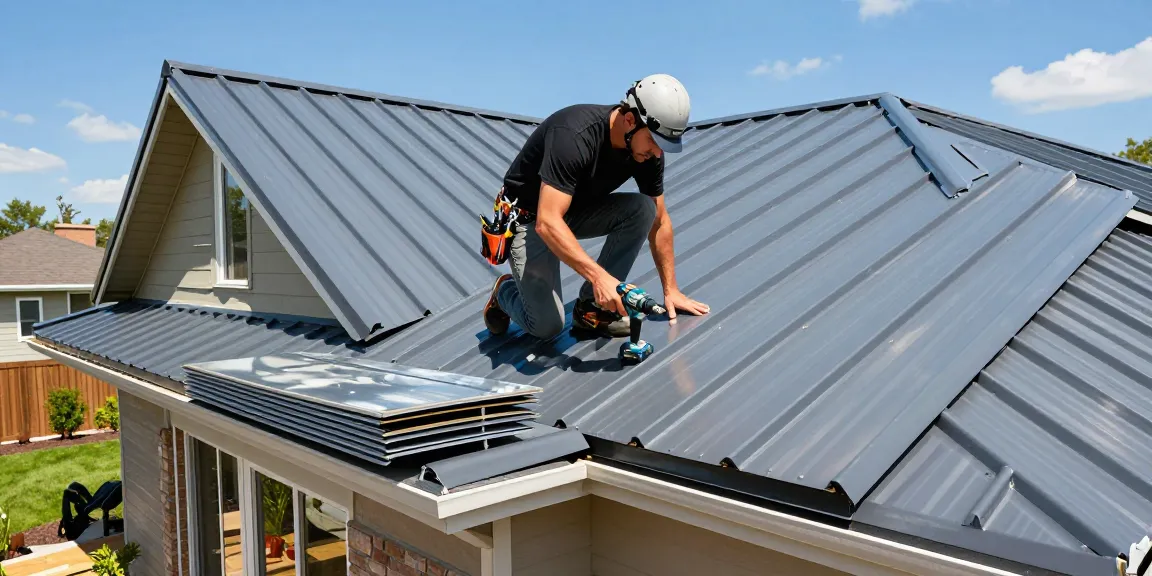
The successful installation of metal roofing requires careful planning and adherence to best practices. Whether hiring professionals or considering a DIY approach, understanding the process can lead to better outcomes.
Safety Considerations During Installation
Safety should always be a top priority when installing metal roofing. The following guidelines can help mitigate risks:
- Always wear appropriate safety gear, including helmets and slip-resistant footwear.
- Use ladders and scaffolding that comply with safety standards.
- Ensure the work area is free of debris and hazards.
Essential Tools and Equipment for Roofing Projects
Having the right tools is essential for a successful metal roofing installation. Key tools include:
- Power drills
- Metal snips or shears
- Measuring tape and chalk lines
- Safety harnesses for working on pitched roofs
Step-by-Step Guide to Installing Metal Rooftops
Here’s a simplified guide to installing metal roofing:
- Preparation: Remove existing roofing material if necessary and ensure the roof deck is clean and dry.
- Underlayment: Install a high-quality underlayment to provide an additional moisture barrier.
- Panel Installation: Begin installation from the bottom of the roof, ensuring panels overlap correctly for water drainage.
- Finishing Touches: Install flashing and trim pieces to complete the installation and enhance aesthetics.
Maintenance and Care for Metal Roofs
Maintaining metal roofing is crucial for maximizing its lifespan and performance. Regular inspections and care can prevent small issues from escalating into costly repairs.
Routine Inspections and Cleaning Tips
It is advisable to inspect metal roofs at least twice a year and after significant weather events. Cleaning should include:
- Removing debris such as leaves and branches to prevent water accumulation.
- Checking seals and fasteners for rust or deterioration.
- Washing the roof surface with a gentle detergent and water to remove dirt and prevent corrosion.
Common Issues and How to Address Them
Some common concerns with metal roofs include:
- Rust: Use a rust-inhibiting primer and repaint affected areas promptly.
- Dents: While minor dents may not affect performance, significant damage may require replacement panels.
- Leaks: Inspect seams and flashing for signs of wear and reseal as needed.
Maximizing the Lifespan of Your Metal Roof
To ensure your metal roof reaches its maximum lifespan, adhere to these practices:
- Invest in high-quality materials from reliable manufacturers.
- Schedule professional inspections regularly, particularly after severe weather.
- Address minor repairs promptly to prevent larger issues.
Future Trends in Metal Roofing GTA
As the roofing industry evolves, several trends are shaping the future of metal roofing in the GTA.
Innovations in Metal Roofing Technology
Emerging technologies are leading to improved materials and installation techniques. For instance, advances in coatings have enhanced the durability and thermal performance of metal roofs, making them even more appealing to consumers.
Environmental Considerations and Trends
The growing emphasis on sustainability is driving changes in material production and waste reduction practices. Homeowners are increasingly choosing eco-friendly options, such as roofs made from recycled materials or featuring solar panel integration.
Predictions for the Industry by 2026
As we look toward 2026, the metal roofing industry is expected to see broader adoption driven by consumer demand for energy efficiency and environmentally friendly building materials. The integration of technology, such as roofing systems that optimize energy production, will likely become more standard.
What are the advantages of metal roofing compared to traditional materials?
Metal roofing offers numerous advantages over traditional materials, including superior durability, energy efficiency, and aesthetic versatility. Additionally, metal roofs typically require less maintenance and have a longer lifespan, making them a more cost-effective option in the long run.
How long does a metal roof typically last?
A well-maintained metal roof can last anywhere from 40 to 70 years, depending on the material and environmental conditions. This longevity outperforms many traditional roofing materials, reducing the need for frequent replacements.
What are the costs associated with metal roofing installation?
Installation costs for metal roofing can vary based on factors such as material choice, roof slope, and labor rates in the GTA. Homeowners should budget between $7 to $12 per square foot for installation, which could be higher for more specialized materials or complex installations.
Can metal roofs be installed over existing shingles?
Yes, metal roofs can often be installed over existing shingles, which can save on labor costs and disposal fees. However, it is crucial to ensure the underlying structure is sound and that proper ventilation is maintained to prevent moisture buildup.
What maintenance is required for metal roofs?
Metal roofs require minimal maintenance compared to traditional roofing materials. Regular inspections, debris removal, and occasional cleaning will help maintain their condition and appearance. Addressing any small repairs promptly is vital for preventing more significant issues.