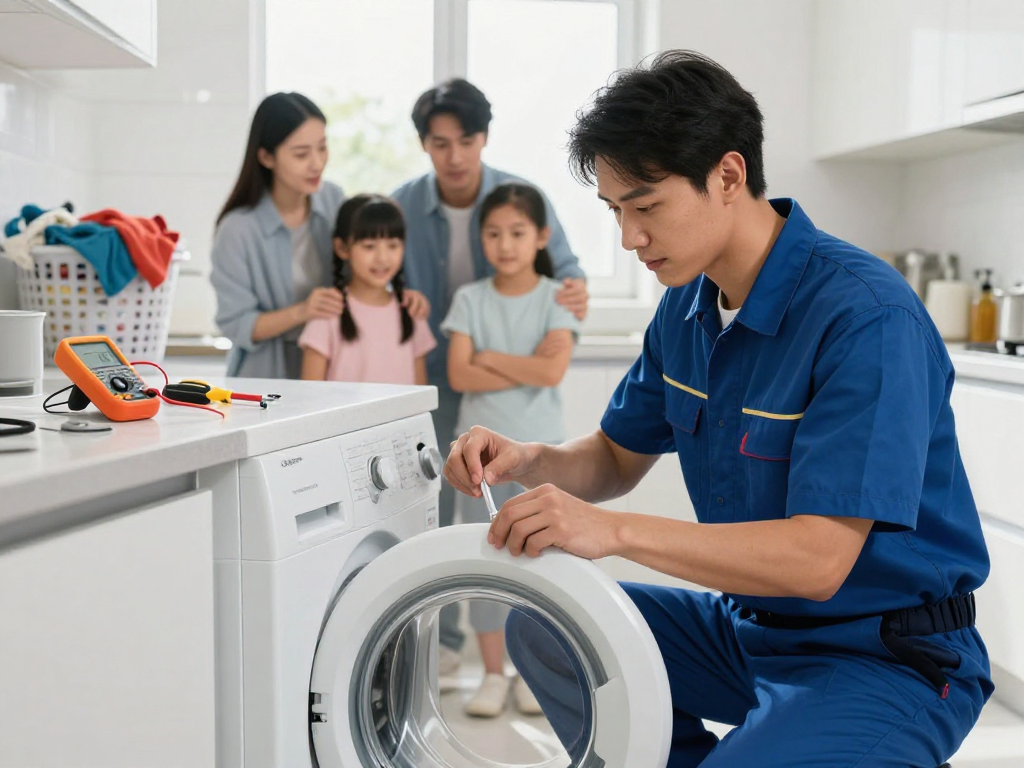
Understanding Appliance Repair: Why It Matters
In today’s fast-paced world, household appliances have become integral to our daily routines. From refrigerators preserving our food to washing machines ensuring our clothes are clean, these devices facilitate convenience and efficiency. However, like any machinery, appliances can experience issues that require timely intervention. Understanding Appliance Repair is crucial for maintaining their functionality and extending their lifespan. This article delves into the significance of appliance repair, outlining common issues, diagnostic steps, maintenance practices, and future trends.
What is Appliance Repair?
Appliance repair involves diagnosing and fixing malfunctioning household devices. Technicians or skilled homeowners tackle a variety of problems, from simple fixes like changing a fuse to complex repairs like replacing electrical components. The goal is to restore the appliance's performance, ensuring it operates effectively and safely.
Common Household Appliances That Need Repair
Several household appliances frequently require repair services. These include:
- Refrigerators: Issues may range from temperature irregularities to water leaks.
- Washing Machines: Common problems include failure to spin, leaks, or malfunctioning control panels.
- Dryers: Common repairs involve overheating or failure to start.
- Ovens and Stoves: Problems can manifest in uneven heating, faulty igniters, or broken timers.
- Dishwashers: Frequent issues include poor cleaning performance or drainage problems.
The Importance of Timely Repairs
Promptly addressing appliance issues is essential for several reasons. Delaying repairs can lead to further damage and increased repair costs. Additionally, malfunctioning appliances can pose safety risks, such as electrical hazards or water damage. Regular maintenance and timely repairs can not only save money but also enhance the lifespan of your appliances.
Steps to Diagnose Common Appliance Issues
Identifying Symptoms of Appliance Malfunctions
Recognizing early signs of appliance malfunction can save homeowners time and money. Some common symptoms include unusual noises, failure to start, leaks, or inconsistent performance. For instance, a refrigerator making a loud humming sound may indicate a failing compressor, while a washing machine that does not spin could suggest a broken belt or motor issue.
Utilizing Diagnostic Tools for Accurate Troubleshooting
Using diagnostic tools can simplify the troubleshooting process. Multimeters are essential for checking electrical connections, while specific appliance testers can diagnose unique issues based on the appliance type. Many modern appliances also come equipped with built-in diagnostic modes that can assist technicians in quickly identifying faults.
Common Misconceptions About Appliance Repairs
There are several misconceptions surrounding appliance repairs that can lead to poor decision-making. For example, many people believe that appliance repairs are always expensive. In reality, minor repairs can often be completed at a fraction of the cost of a new appliance. Additionally, some homeowners feel they should only purchase new appliances rather than invest in repairs; however, a properly repaired appliance can serve as a reliable solution for years to come.
DIY vs. Professional Appliance Repair: Making the Right Choice
When to Attempt a DIY Repair
Many appliance issues can be addressed through DIY repairs, particularly if the problem is minor. For example, changing a dryer belt or unclogging a dishwasher drain can often be accomplished with basic tools and online tutorials. However, it’s essential to have some knowledge of appliance mechanics before attempting a repair, as incorrect handling can lead to more significant issues.
Signs That You Should Call a Professional
While DIY repairs can be cost-effective, certain situations require professional expertise. If you encounter electrical issues, gas leaks, or if the repair involves intricate components, it’s best to call a technician. Professionals have the training and experience to safely navigate complex repairs, reducing the risk of injury or further damage.
Cost Analysis: DIY vs. Professional Services
When considering whether to tackle a repair yourself or hire a professional, it’s important to conduct a cost analysis. DIY repairs can save money on labor costs, but you should factor in the cost of tools, parts, and potential mistakes. In contrast, professional services may have higher upfront costs but come with the assurance of quality and safety, and may ultimately save you from accidental damage.
Best Practices for Appliance Maintenance
Routine Maintenance Tips for Longevity
Regular maintenance is key to prolonging the life of your appliances. Here are some effective tips:
- Clean filters: Regularly clean or replace appliance filters.
- Check seals and gaskets: Inspect seals for wear and tear to ensure tight closure.
- Unclog drains: Keep drains clear to prevent water from backing up in dishwashers and sinks.
Seasonal Checks and Care for Your Appliances
Conducting seasonal checks can also help prevent issues. For example, in the winter, ensure your refrigerator coils are clean to prevent overheating. During summer, inspect your air conditioning units for any irregularities. Setting a reminder to conduct these checks can maintain optimal performance.
Using Your Appliances Efficiently to Prevent Breakdowns
Efficiency plays a significant role in appliance longevity. Using appliances according to their capacity, avoiding overloading, and following the manufacturer’s guidelines can prevent undue stress on the machines. Additionally, being cautious with usage can minimize wear and tear over time.
Future Trends in Appliance Repair: Preparing for 2026
Smart Appliances and What They Mean for Repair
The advent of smart appliances has transformed the landscape of appliance repair. With built-in diagnostics and automated alerts, these devices allow homeowners to identify problems before they escalate. As smart technology continues to evolve, repair technicians will need to adapt to new systems and devices, expanding their skill sets accordingly.
Predictive Maintenance Technologies
Predictive maintenance technologies are set to become commonplace in the appliance sector by 2026. These technologies utilize data analytics and IoT (Internet of Things) connectivity to predict failures before they occur, allowing for preemptive repairs. Homeowners can avoid breakdowns and costly repairs by opting for appliances equipped with these technologies.
Environmental Considerations in Appliance Repair Practices
As sustainability becomes increasingly important, the repair industry is also evolving. Eco-friendly repair practices, such as recycling old parts and using energy-efficient components, are expected to gain traction. Consumers are becoming more conscious of their environmental impact, prompting a shift towards greener repair methods.
What are the most common appliance issues?
Some of the most frequent appliance issues include overheating, failure to start, leaks, and noise problems. Understanding these common issues can help homeowners take preventive measures.
How can I extend the life of my home appliances?
To extend the life of your home appliances, conduct regular maintenance, use them according to guidelines, and address issues promptly. Additionally, investing in high-quality appliances from the start can lead to longer lifespans.
Is appliance repair worth it compared to buying new?
Appliance repair can often be more cost-effective than buying new, especially when dealing with high-end models. By weighing the potential repair costs against the price of a new unit, homeowners can make informed decisions.
What tools do I need for basic appliance repair?
Basic appliance repair requires a few essential tools, including a multimeter, screwdrivers, pliers, and a socket set. For more information, Washer Specialists offers valuable insights. Acquiring these tools can help budding DIY repair aficionados tackle a variety of common issues.
How has technology changed the appliance repair industry?
Technology has significantly changed the appliance repair industry, introducing smart diagnostics, online troubleshooting guides, and advanced repair tools. These innovations allow technicians to efficiently diagnose issues and repair appliances, leading to faster service and better outcomes.