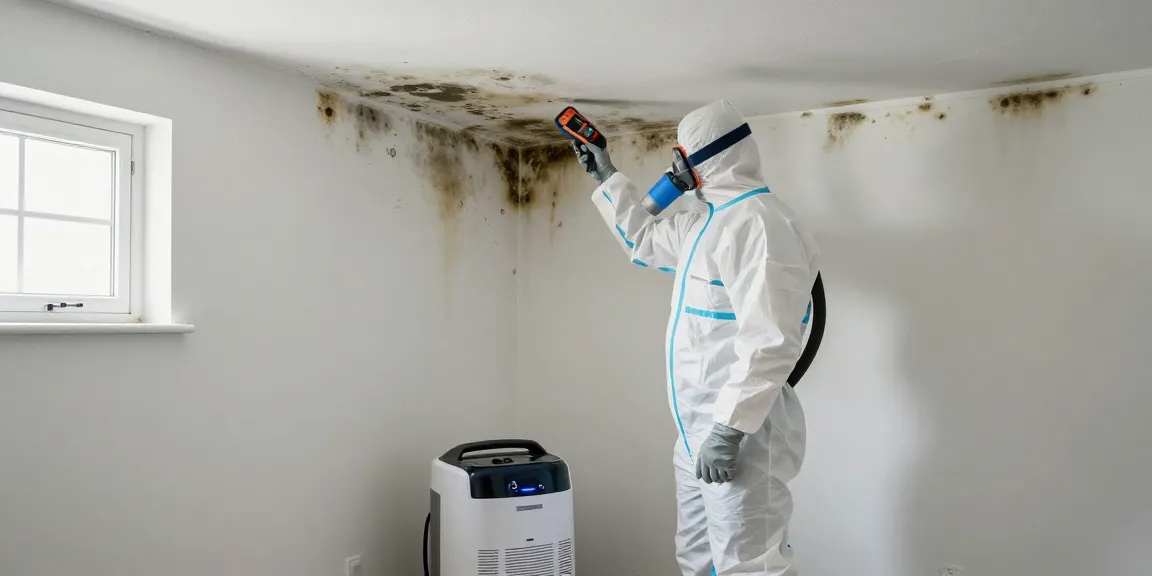
Understanding Mold Remediation Vancouver
Mold remediation is a crucial service for homeowners and businesses in Vancouver, a city renowned for its coastal humidity and frequent rainfall, which create perfect conditions for mold growth. Engaging a professional service for mold remediation is essential not only for the preservation of your property but also for the health and safety of its occupants. When exploring options, Mold Remediation Vancouver provides comprehensive insights into the processes and benefits of professional remediation services.
What is Mold Remediation?
Mold remediation refers to the thorough process of identifying, removing, and preventing the growth of mold in residential and commercial properties. Professionals in mold remediation assess the extent of mold infestations, develop a containment strategy to prevent the spread of spores, and utilize specialized equipment to ensure the area is cleaned and restored effectively. This process goes beyond just surface cleaning; it includes addressing the moisture issues that allow mold to thrive.
Importance of Professional Services
While some homeowners may consider handling mold issues on their own, employing professional services ensures that the problem is managed safely and effectively. Professionals have the training, equipment, and experience necessary to tackle mold growth comprehensively. They are aware of local building codes and regulations, ensuring that the remediation process adheres to these standards. Moreover, professional services often include guarantees and follow-up inspections, which provide peace of mind that the mold will not return.
Common Mold Types Found in Vancouver Homes
In Vancouver, several types of mold are commonly found due to the region’s climate and the age of buildings. Some of the most prevalent molds include:
- Aspergillus: This mold can cause allergic reactions and respiratory issues.
- Cladosporium: Frequently found in damp areas, this mold can trigger asthma and other allergic reactions.
- Stachybotrys chartarum (Black Mold): Known for its health risks, black mold thrives in areas with excessive moisture.
- Penicillium: This mold often grows on water-damaged materials and can produce allergens.
Signs You Need Mold Remediation
Recognizing the signs of mold growth is critical in addressing potential issues before they escalate. Homeowners should be vigilant for various indicators that suggest mold remediation is necessary.
Identifying Hidden Mold Growth
Mold can often grow in hidden areas of your home, such as behind walls, under flooring, and within HVAC systems. Signs that mold might be present include:
- Visible mold growth, which can appear as discolored spots or fuzzy patches.
- Musty odors that indicate mold presence.
- Water stains or damage on walls or ceilings.
- Increased humidity levels in the home.
Health Risks Associated with Mold Exposure
Exposure to mold can lead to a variety of health issues, particularly for individuals with pre-existing conditions. Common health risks include:
- Respiratory problems, such as asthma and bronchitis.
- Allergic reactions, which can manifest as sneezing, itchy eyes, and skin rashes.
- More severe reactions in immunocompromised individuals, which may result in infections.
Common Warning Signals in Your Home
Besides visible mold, homeowners should be alert to several other warning signs that may indicate a mold problem:
- Increased allergy-like symptoms in occupants.
- Frequent headaches or respiratory discomfort.
- Unexplained structural damage in the home due to moisture.
Our Comprehensive Mold Remediation Process
The mold remediation process involves several steps designed to ensure thorough cleanup and prevention of future growth. Below is an overview of our approach:
Step-by-Step Approach to Mold Removal
The remediation process typically follows a structured sequence:
- Assessment: A detailed inspection is conducted to identify the extent of mold growth and moisture sources.
- Containment: The affected area is isolated to prevent spores from spreading during the cleanup.
- Removal: Mold-infested materials are safely removed and disposed of.
- Cleanup: Surfaces are cleaned using specialized equipment and antifungal treatments.
- Restoration: Repairs are made to any damaged areas to restore the property to its pre-mold condition.
Utilizing Advanced Technologies
Modern mold remediation utilizes advanced technologies to enhance effectiveness:
- Thermal Imaging: This technology allows professionals to detect hidden moisture that may contribute to mold growth.
- Moisture Mapping: Creates a visual representation of moisture levels throughout the property.
- HEPA Filtration: High-Efficiency Particulate Air filters are used to capture mold spores and improve indoor air quality.
Documentation and Compliance for Insurers
Part of our comprehensive service includes meticulous documentation. This can be crucial for homeowners filing claims with their insurance. Our team provides:
- Photographic evidence of the mold and damage.
- A clear remediation plan outlining the steps taken.
- Detailed reports that can be submitted to insurance providers.
Cost Factors for Mold Remediation in Vancouver
The costs associated with mold remediation can vary significantly based on multiple factors, including the extent of mold growth, labor costs, and specific treatments required. Understanding these factors can help homeowners budget effectively.
Understanding Pricing Structures
Mold remediation pricing often depends on:
- The size of the affected area.
- The severity of mold infestation.
- Specific materials that need to be removed or replaced.
- The complexity of the remediation process, including containment and cleanup.
Common Expenses in the Remediation Process
Some common expenses associated with mold remediation include:
- Inspection and assessment fees.
- Labor costs for cleanup and repair.
- Equipment rentals for advanced cleanup and air filtration.
- Materials needed for repairs, such as drywall or insulation.
How to Get Accurate Estimates
To ensure that you receive accurate estimates, it is advisable to contact multiple remediation services for quotes. Look for companies that provide detailed assessments and transparent pricing. Additionally, ask for references or check online reviews to gauge their reliability and effectiveness.
Preventing Future Mold Issues
Preventing mold growth is as crucial as remediation. Implementing preventive measures can save homeowners from future headaches and expenses related to mold.
Best Practices for Mold Prevention
Adopting best practices in home maintenance can significantly reduce the chances of mold infestation:
- Ensure proper ventilation in moisture-prone areas, such as bathrooms and kitchens.
- Regularly inspect and maintain roofing and plumbing to prevent leaks.
- Keep humidity levels below 50% by using dehumidifiers or air conditioning.
Home Maintenance Tips
Regular home maintenance can help prevent mold growth:
- Seal cracks and openings around windows and doors.
- Clean gutters and downspouts to ensure proper drainage.
- Use mold-resistant materials for construction or renovation.
When to Schedule Regular Inspections
Regular inspections should be scheduled every 6 to 12 months, particularly in areas that are prone to moisture. If you notice any signs of water damage or high humidity, schedule an inspection sooner to mitigate potential mold growth.
Do I Really Need Mold Remediation?
Yes, professional mold remediation is essential, especially in Vancouver’s humid climate. Mold can cause serious health issues and structural damage. Experts are equipped with the necessary tools and knowledge to thoroughly remove mold and prevent future growth, ensuring your home remains safe and healthy.